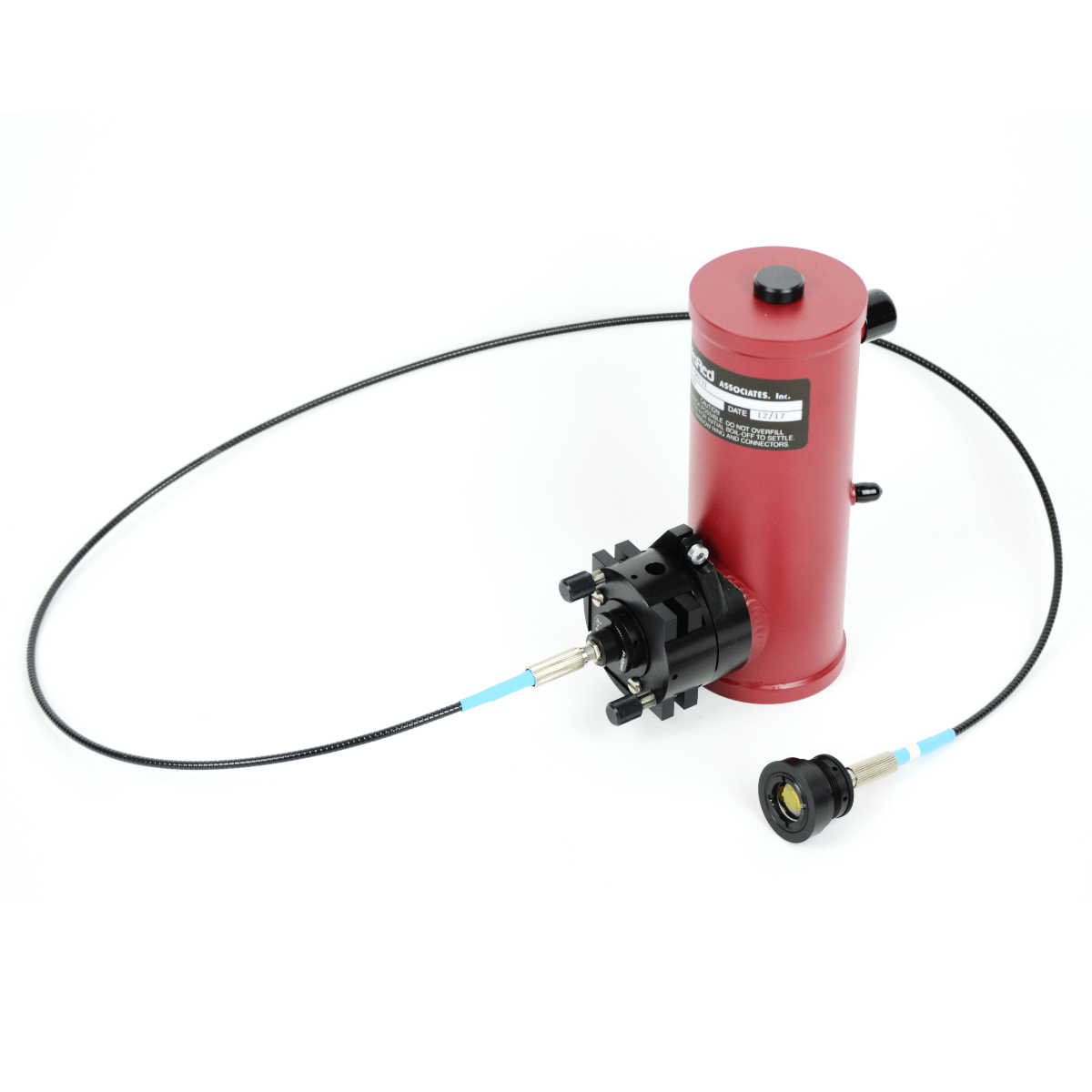
FlexiSpec®

Spectroscopy Fiber Probes & Probe Couplers

FlexiRay®

Fibers | Cables | Bundles | Accessories

FlexiService

Loan & Installation | Measurements Training | Repair | Development
News
Latest News
8 October 2026
Employee Spotlight: 5 Years of Dedication and Quality with Nicole

Behind every specialty optical fiber we manufacture and ship at art photonics, there is a dedicated team committed to getting every detail exactly right. Today, we are delighted to shine a spotlight on one of the essential people behind our production lines: Nicole, a Production Employee at art photonics. Recently marking her 5-year work anniversary […]

Read more
25 September 2026
Dual-Channel Process Monitoring: Combining NIR and Raman Spectroscopy in a Single Probe

During active pharmaceutical ingredient (API) crystallization and drying, comprehensive process understanding demands simultaneous insight into chemical composition and solid-state structure. Operators routinely track two distinct parameters in real time: residual solvent or moisture content, and crystal polymorphism. Historically, monitoring both attributes in situ presented a practical instrumentation bottleneck. Near-infrared (NIR) spectroscopy excels at quantifying water […]

Read more
Latest Events
13 October 2026
analytica China 2026 | 16-18 November 2026 | Shanghai New International Expo Centre (SNIEC), China

art photonics will be represented at analytica China 2026 in Shanghai from 16 to 18 November 2026. Together with our local distribution partner, UniqueRay Technologies Limited (Uray), we will be presenting our specialty fiber-optic solutions for inline Process Analytical Technology (PAT) and laboratory spectroscopy at Booth # E6.6920. At art photonics, we design and manufacture […]

Read more
9 September 2026
CIOE 2026 | 9-11 September 2026 | Shenzhen World Exhibition & Convention Center, China

art photonics GmbH is currently exhibiting at the China International Optoelectronic Exposition (CIOE) 2026 in Shenzhen. From September 9-11, we are represented at this premier industry event by our partner, UniqueRay Technologies Limited. Industry professionals are invited to visit Stand 8B16 to review our advanced portfolio of specialty fiber optic solutions. UniqueRay is showcasing our […]

Read more
About Our Company
art photonics GmbH, founded in Berlin in September 1998, is one of the worldwide leaders in development and production of specialty fiber products for a broad spectrum from 300 nm to 16 µm. Unique technologies of Polycrystalline Mid InfraRed (PIR-) fibers and Metal coated Silica fibers are used for assembly of various spectroscopy probes for medical diagnostics and industrial process control, in volume production of fiber for medical and industrial lasers, for different fiber bundles, etc. Since January 2024 art photonics GmbH is a member of NYNOMIC GROUP.

Member Of:

UV 200-400 nm
Visible
Near IR 750-2500 nm
Mid IR 2.5 - 18 µm

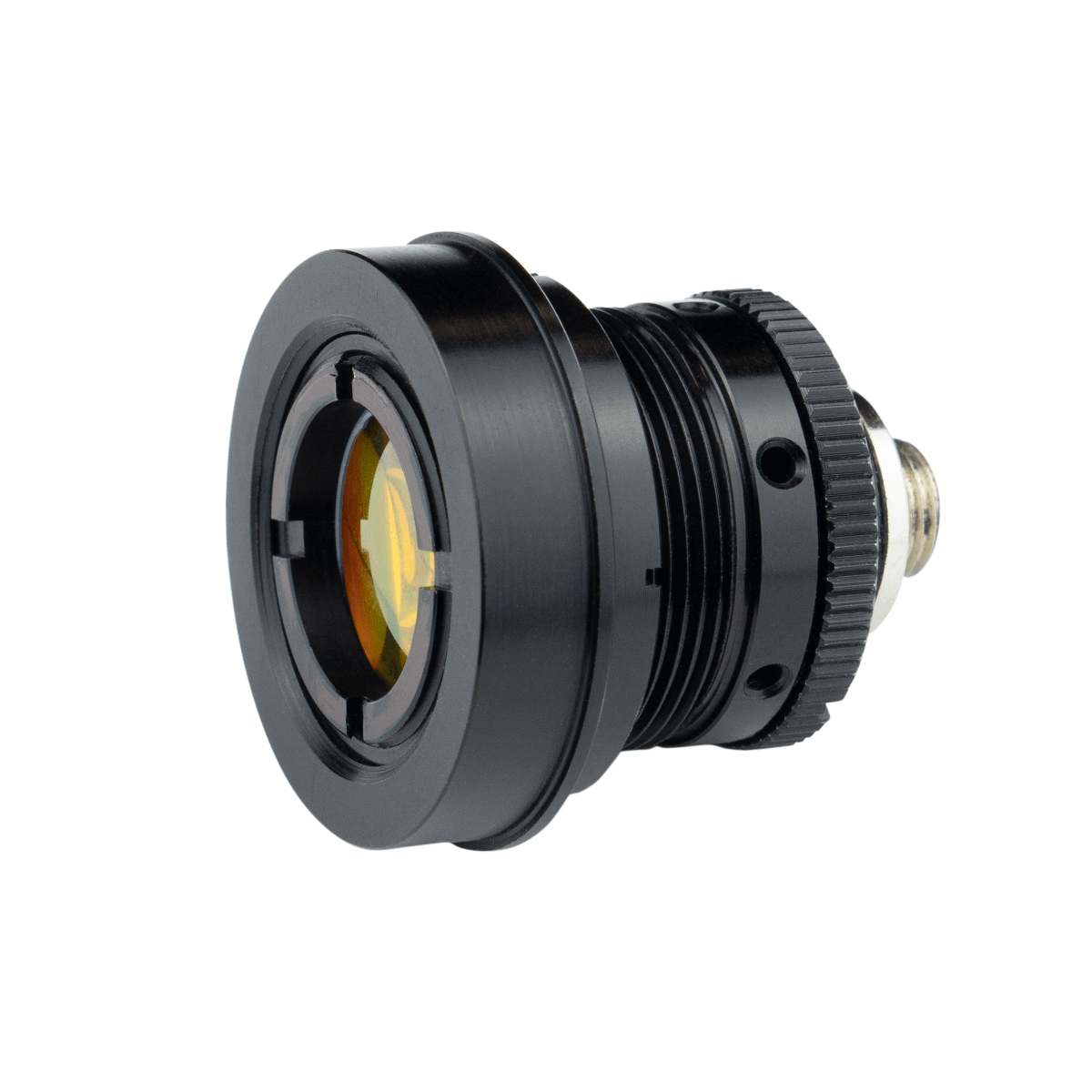
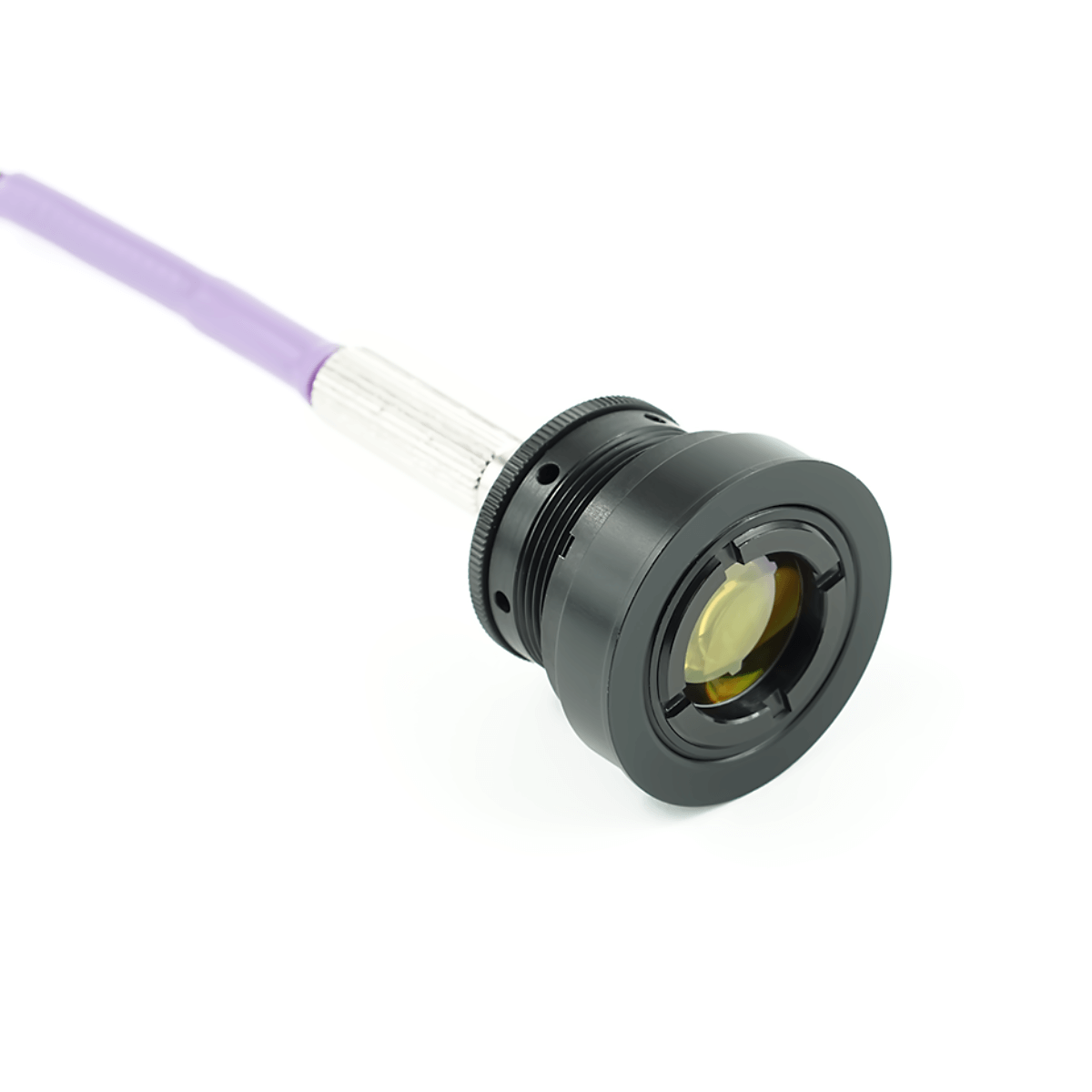
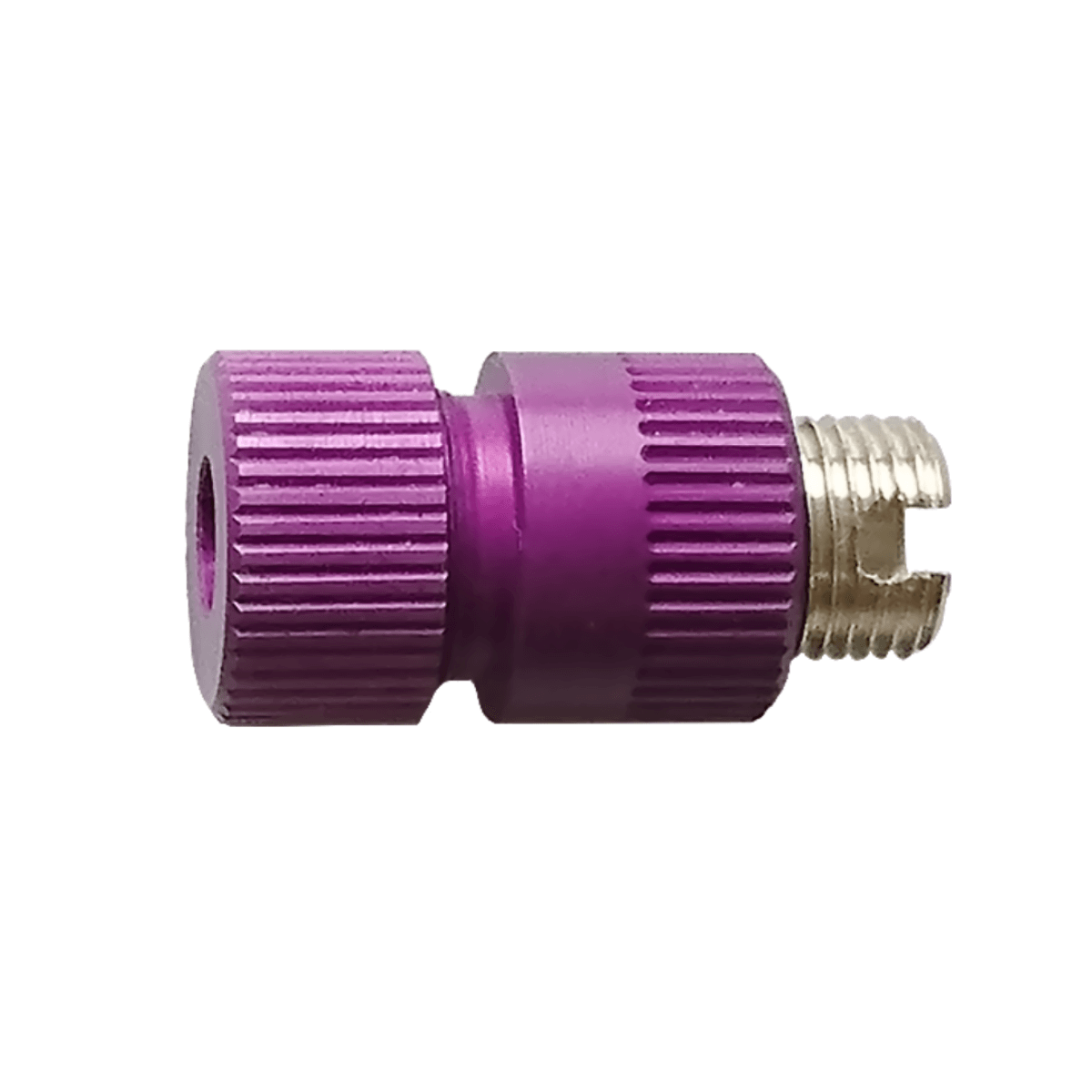
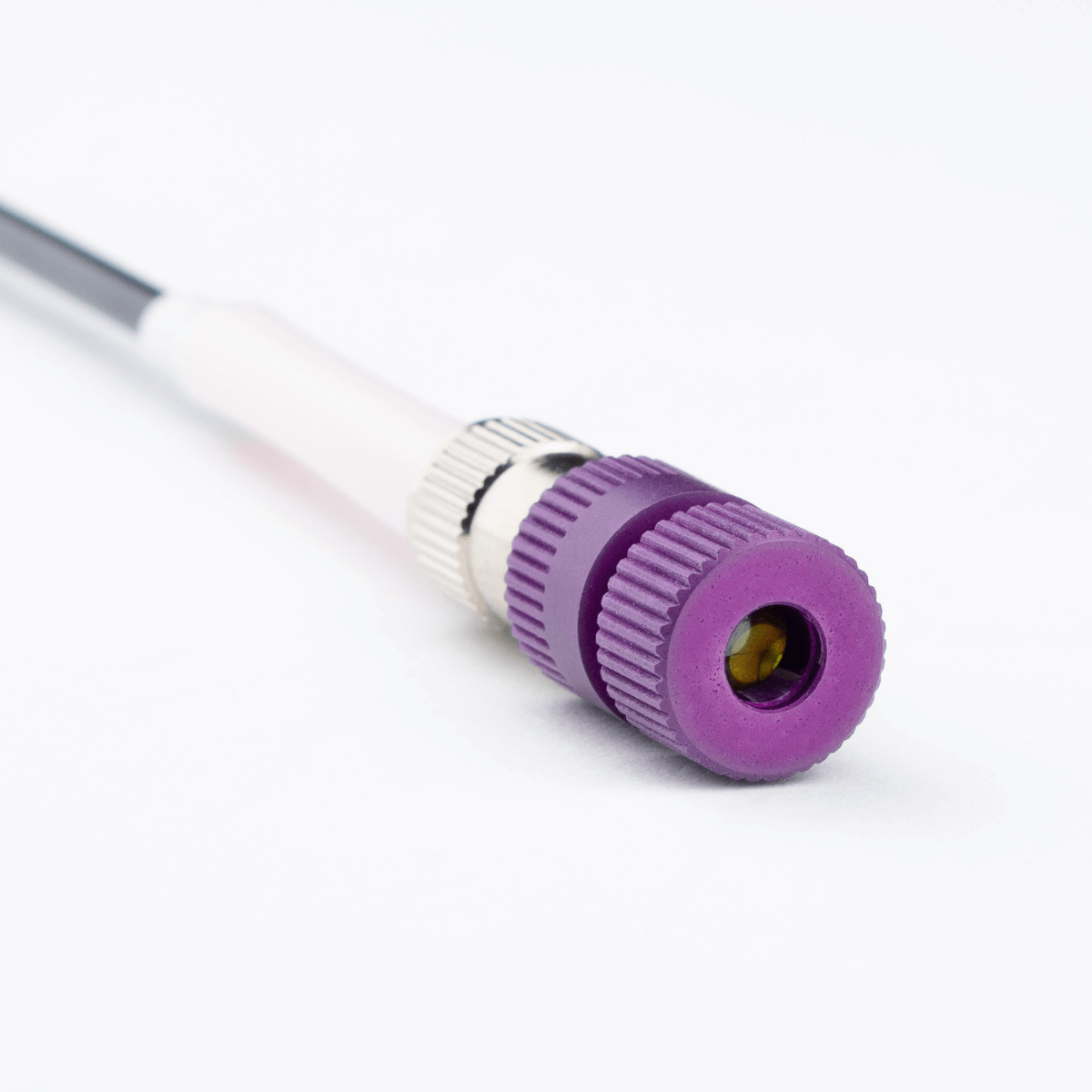
Collimating & Refocusing Objectives for mid Infra-Red Fiber Cables

Categories: , Tag:

Main features:

  • Compatible with SMA- or FC-terminated fiber cables
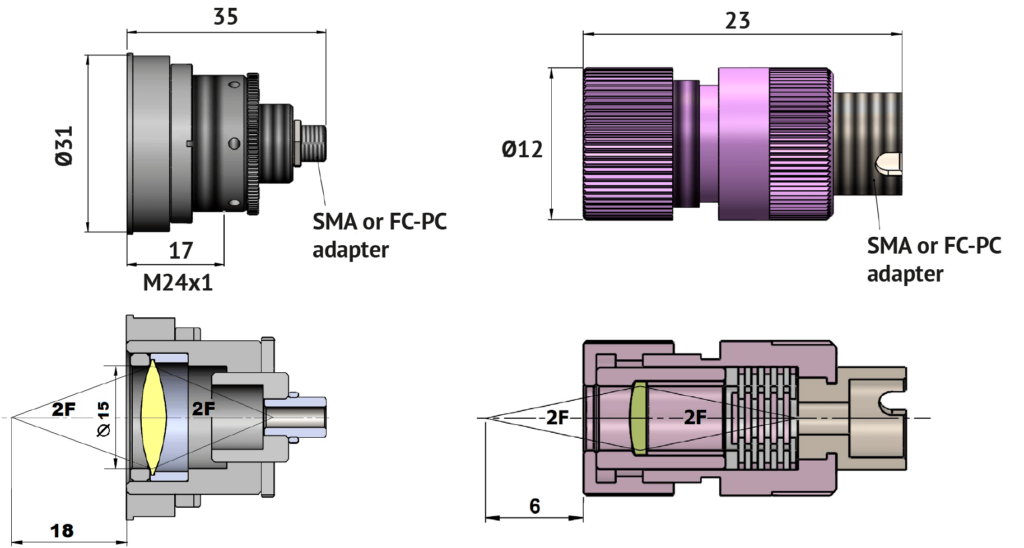
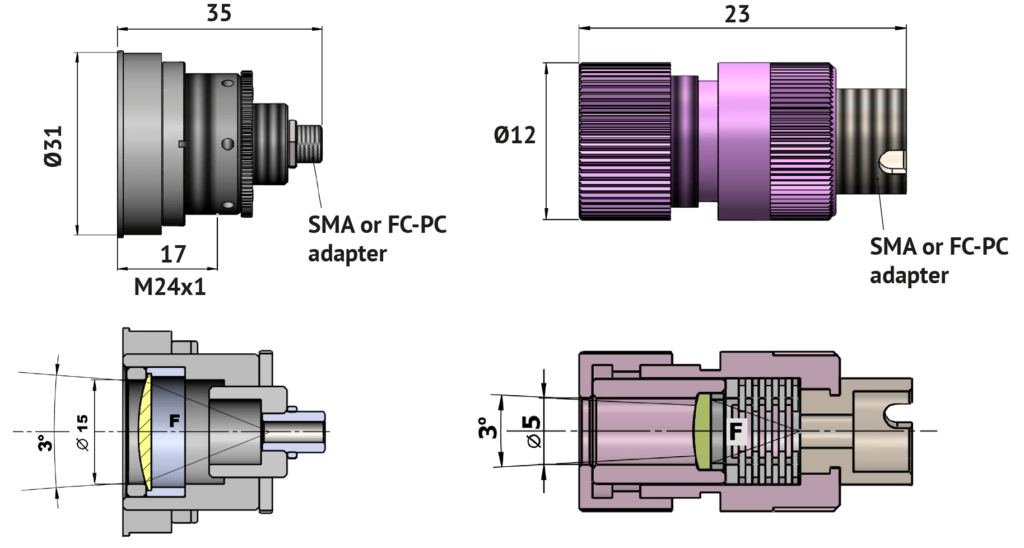
  • Pupil diameter 15mm or 5 mm
  • Thread build-in in your optical system
  • Non-Magnetic Aluminium Housing
  • Refocusing or Collimating design
  • M24 thread adaptors to SM1, RMS and S-Mount are available on request

Description

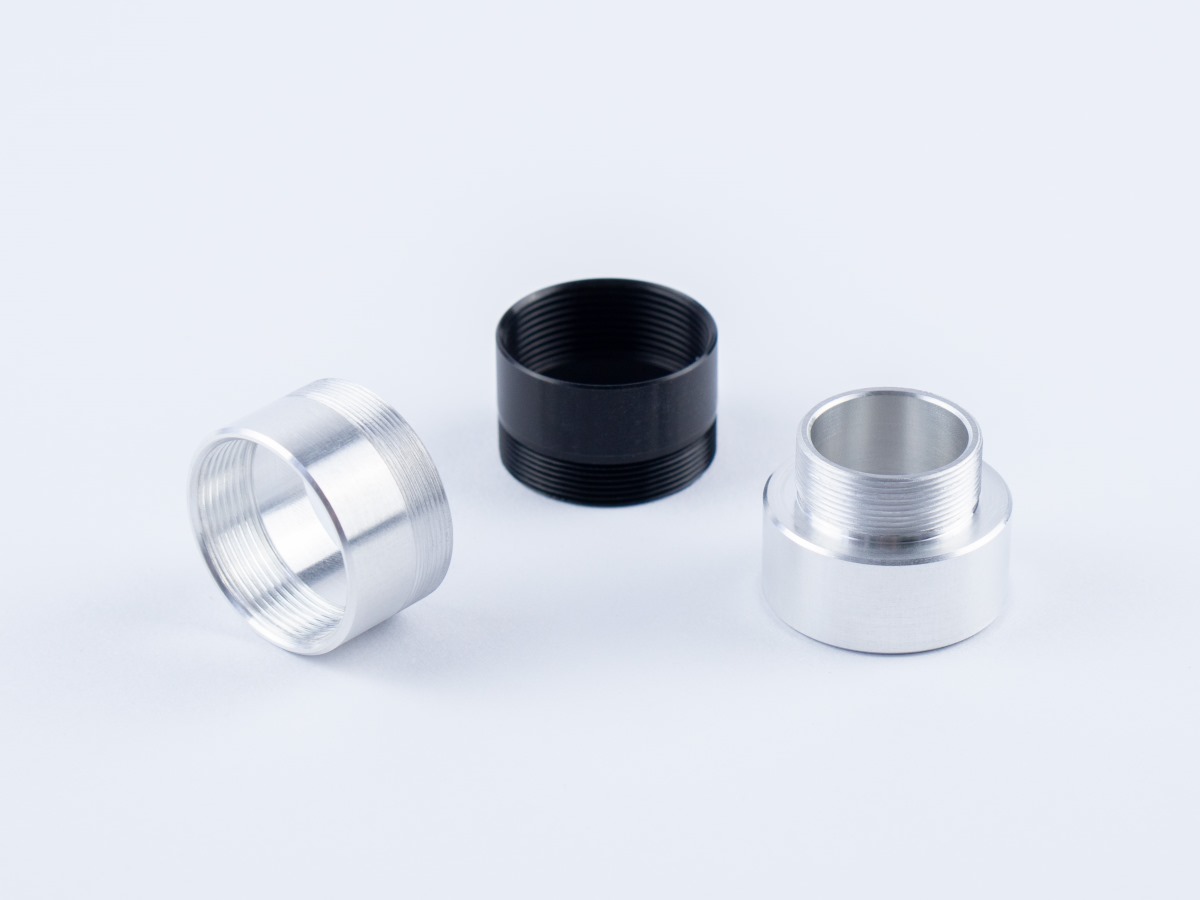
MID-IR Focusing and Collimating Objectives are designed to use with Infra-Red fiber optic cables and bundles.
The housing of the lens easily connects to fiber optic cables either with FC/PC or with SMA connectors and enables Z-axis alignment.

Thread adaptors are suitable to mount lens objectives  to Thorlabs optical components with SM1, RMS and S-Mount.

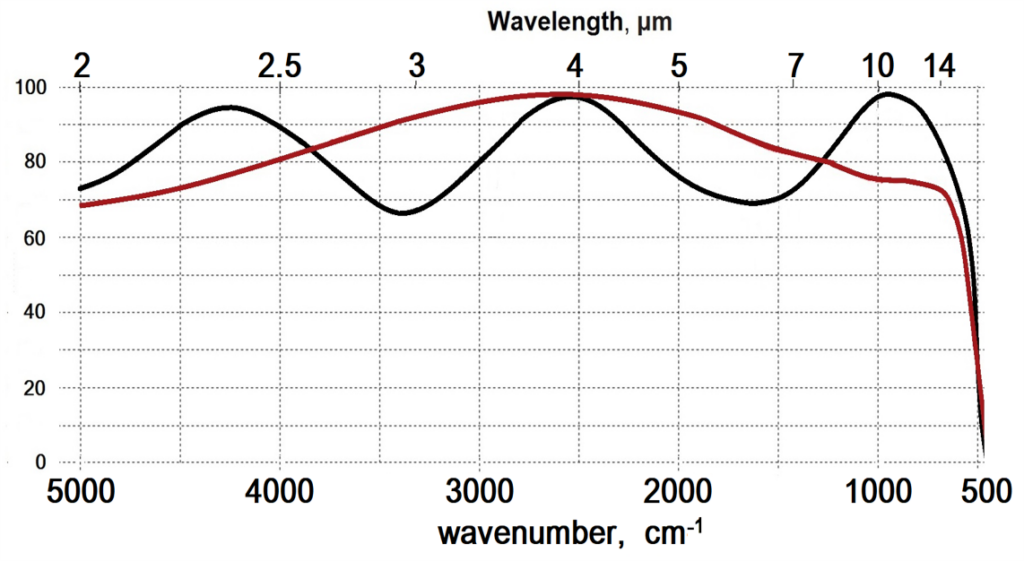
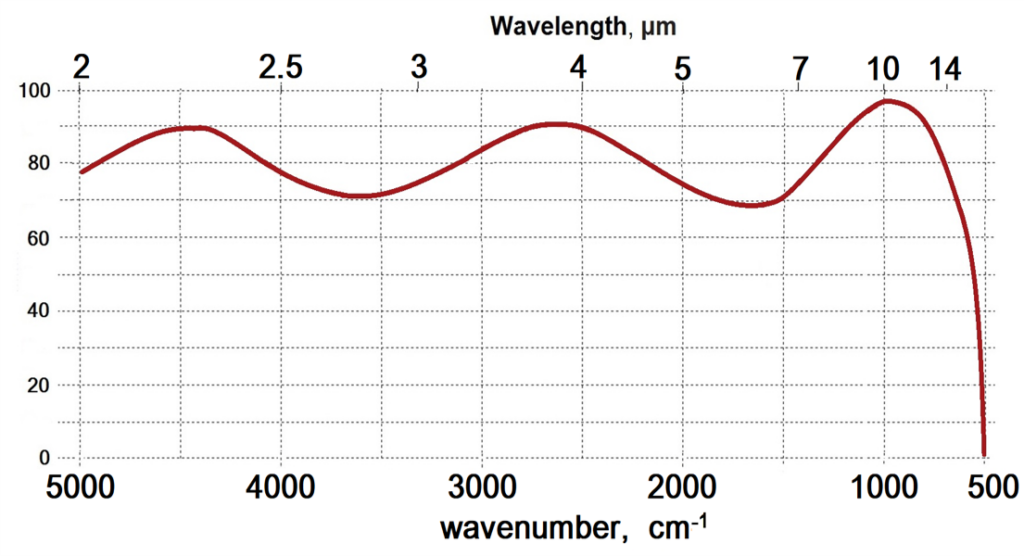
Mid-IR Lenses are available with anti-reflection (AR) coating for two spectral ranges:

  • 3-5µm – for Chalcogenide IR-fiber  (CIR) cables
  • 8-12μm – for Polycrystalline IR- fiber (PIR) cables

Specs

Table of Refocusing Objectives

Code FORO-L-3/5-F10 FORO-L-8/12-F10 FORO-S-3/5-F5 FORO-S-8/12-F5
ZnSe Lens Double-convex Ø 15 Double-convex Ø15 Plano-convex Ø 5 Plano-convex Ø 5
AR Spectral Range 3-5µm 8-12µm 3-5µm 8-12µm
Lens Focal Distance 10 mm 10 mm 5 mm 5 mm
Numerical Aperture 0,35 0,35 0,25 0,25
Outer Diameter 25 mm 25 mm 12 mm 12 mm
Connecting Thread M24x1 M24x1 no no
Length (approx.) 37 mm 37 mm 23 mm 23 mm
Alignment Options Z-axis positioning Z-axis positioning Z-axis positioning Z-axis positioning
SMA Adapter YES YES YES YES
FC/PC Adapter On Request On Request On Request On Request
Housing Aluminium Black anodizing Aluminium Black anodizing Aluminium Magenta anodizing Aluminium Magenta anodizing

Table of Collimating Objectives

Code FOCO-L-3/5-F20 FOCO-L-8/12-F20 FOCO-S-3/5-F5 FOCO-S-8/12-F5
ZnSe Lens Plano-convex Ø 15 Plano-convex Ø15 Plano-convex Ø 5 Plano-convex Ø 5
AR Spectral Range 3-5µm 8-12µm 3-5µm 8-12µm
Lens Focal Distance 20 mm 20 mm 5 mm 5 mm
Numerical Aperture 0,35 0,35 0,4 0,4
Outer Diameter 25 mm 25 mm 14 mm 14 mm
Connecting Thread M24x1 M24x1 no no
Length (approx.) 37 mm 37 mm 23 mm 23 mm
Alignment Options Z-axis positioning Z-axis positioning Z-axis positioning Z-axis positioning
SMA Adapter YES YES YES YES
FC/PC Adapter On Request On Request On Request On Request
Housing Aluminium Black anodizing Aluminium Black anodizing Aluminium Magenta anodizing Aluminium Magenta anodizing

Downloads

Graphs

Transmission Spectra

MID-IR Refocusing Objectives (FORO)

Collimating Objectives for Mid IR-Fiber Cables (FOCO)

Applications

  • Focusing the beam out of the fiber or, used in reverse, into the fiber
  • Collimating the beam out of the fiber or, used in reverse, focusing of collimated beam into the fiber
  • Fiber end/bundle imaging to the detector

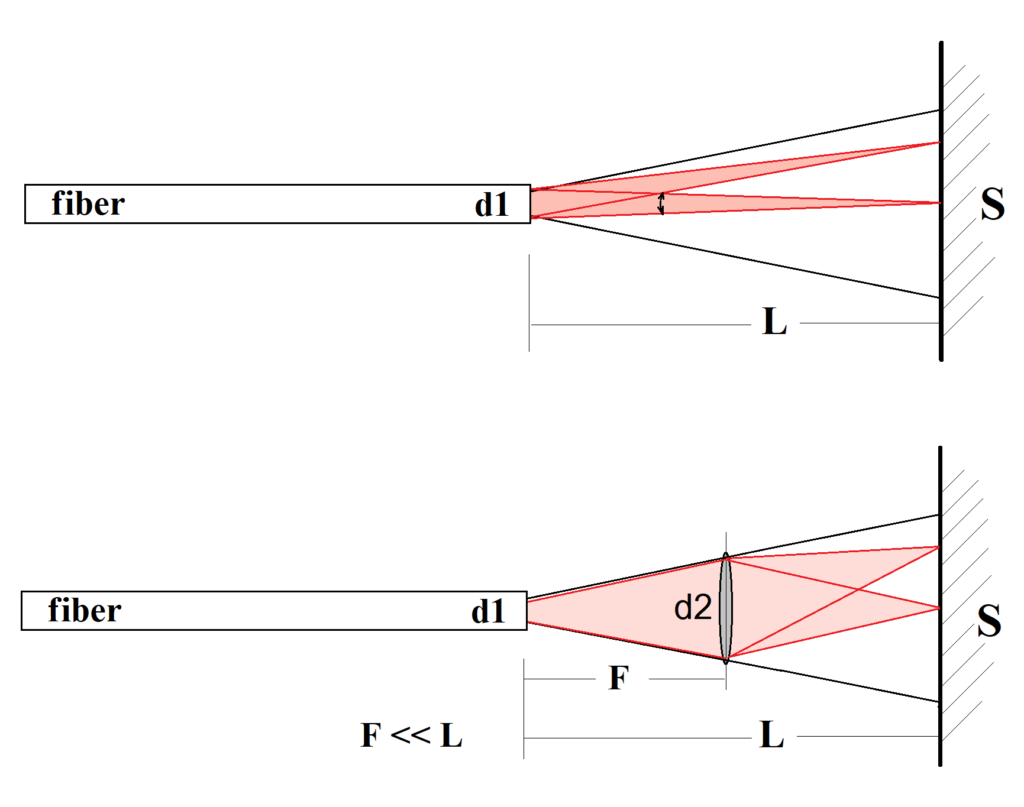
Using a lens to collect the radiation into the optical fiber

The area S is limited by the numerical aperture of the optical fiber. The fiber "sees" the radiation exiting from each point within the area S.

The radiation reaching the fiber end is proportional to the angle d1/L, where d1 is the fiber diameter, L is the distance between S and fiber end.

To increase the radiation collected into the fiber, it is necessary to put a lens between S and fiber end, then the signal is proportional to d2/L, where d2 is the lens diameter (d2 > > d1).

Focus distance F and the lens diameter d2 should agree with the numerical aperture of the fiber.

Inquiry

Do you have any questions about this or any other product? Send us an inquiry, and our personnel will answer your question as soon as possible.

We use the Brevo service (Brevo SAS, France) to distribute our newsletter. Your data is used exclusively for the purpose of sending the newsletter and will be processed based on your consent (Art. 6 para. 1 lit. a GDPR). For more information, please refer to Brevo’s Privacy Policy: https://brevo.com.
cross
linkedin facebook pinterest youtube rss twitter instagram facebook-blank rss-blank linkedin-blank pinterest youtube twitter instagram
Copy link
Powered by Social Snap